Ritual and Restraint in Kyoto's Tea Houses
Navigating the moss-lined alleyways of northern Kyoto to understand the foundational philosophy of Ichigo Ichie.
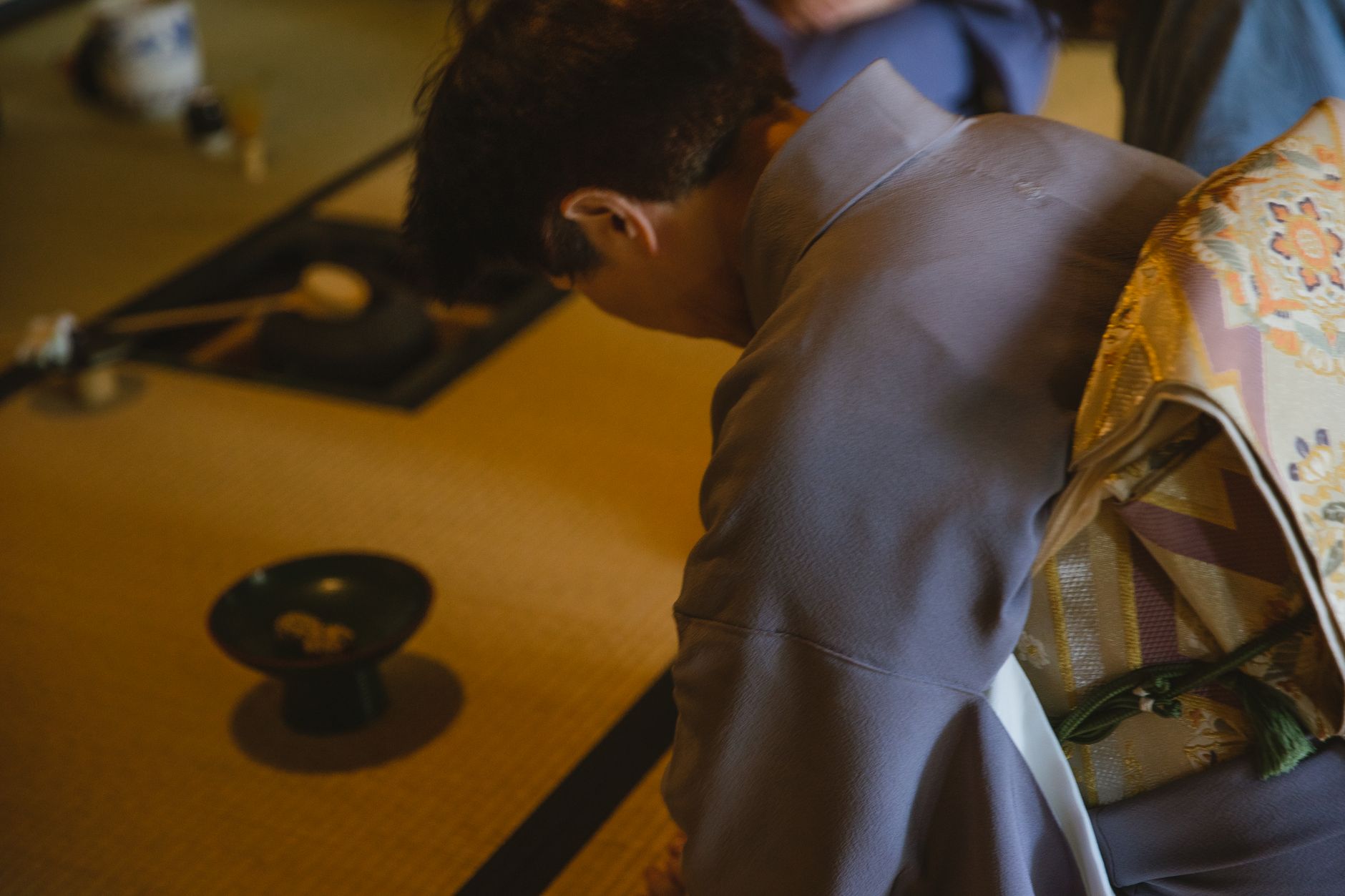
The rain falling onto raked gravel at Daitoku-ji possesses a steady, meditative cadence. In the tearoom, sliding shoji screens filter autumn light into a soft parchment glow. Every movement—the placement of the bamboo ladle (hishaku), the gentle wipe of the chawan bowl—transmits profound consideration for this unrepeatable moment.
The Clay of Shigaraki and Bizen
The beauty of chado (the way of tea) is inseparable from the utilitarian mastery of regional kilns. Vessels are prized not for polished symmetry, but for the deliberate irregularities known as wabi-sabi: ash glazes formed unpredictably inside wood-fired anagama kilns, textured fissures, and tactile warmth that nestles naturally into human hands.
"Ichigo Ichie reminds us: this encounter happens once in a lifetime. We prepare tea as if it will never happen again."
Slow Paths through Uji's Terraces
A short train ride south into the hills of Uji brings travelers to shaded tea plantations where gyokuro and tencha leaves are carefully harvested under straw canopies. Engaging with farmers who have cultivated the same parcel of land for eleven generations redefines what it means to travel with patient attention.